USA scholarship opportunities take center stage as students seek financial aid to further their education. With a variety of scholarships available, understanding their different categories is essential. From merit-based to need-based, athletic to artistic, each type has unique criteria and funding sources. This overview will guide you through the landscape of scholarships in the USA, exploring how to navigate the application process, identify suitable opportunities, and craft compelling personal statements.
Understanding the landscape of USA scholarship opportunities requires an examination of the various types available.

Exploring the diverse scholarship opportunities in the USA is essential for students seeking financial assistance for their education. These scholarships can be categorized into different types, each with its own unique criteria and requirements. Recognizing these categories can help students identify which scholarships they may be eligible for and how to apply effectively.
Categories of Scholarships
The different categories of scholarships each serve specific purposes and target various student demographics. Understanding these categories can guide students in pursuing the right opportunities tailored to their qualifications and needs.
Merit-Based Scholarships
Merit-based scholarships are awarded to students based on their academic, artistic, or athletic achievements. These scholarships recognize excellence and encourage high performance in various fields.Examples of merit-based scholarships include:
- National Merit Scholarship Program: Awards scholarships based on PSAT scores and academic performance.
- Presidential Scholarship Program: Offers scholarships for students exhibiting exceptional academic performance and leadership qualities.
These scholarships are often funded by educational institutions, private organizations, and foundations that prioritize academic excellence.
Need-Based Scholarships
Need-based scholarships are designed to assist students whose financial circumstances require additional support. These scholarships often consider the student’s financial background and family income.Examples include:
- Pell Grant: A federal grant aimed at undergraduates demonstrating exceptional financial need.
- State Grants: Many states offer financial assistance to residents attending college based on financial need.
Funding for these scholarships typically comes from government programs and educational institutions aimed at making education accessible to all.
Athletic Scholarships
Athletic scholarships are awarded to students who excel in sports. These scholarships help student-athletes pursue their passion while receiving financial aid for their education.Examples include:
- NCAA Scholarships: Offered to student-athletes competing in NCAA-sanctioned sports.
- NAIA Scholarships: Available for athletes participating in NAIA sports programs.
These scholarships are funded by colleges and universities, often as part of their athletic programs, incentivizing talent in sports.
Artistic Scholarships
Artistic scholarships are aimed at students demonstrating exceptional skill or talent in the arts, including visual arts, music, dance, and theater. These scholarships support students in pursuing their artistic endeavors alongside their education.Examples of artistic scholarships include:
- YoungArts Program: Provides scholarships to young artists in various disciplines through competitions.
- The Scholastic Art & Writing Awards: Offers recognition and scholarships to outstanding young artists and writers.
Funding for artistic scholarships often comes from foundations, art organizations, and educational institutions dedicated to fostering creativity.Understanding these categories and the associated scholarships can empower students to harness available resources effectively, leading to successful educational pursuits in the USA.
The application process for USA scholarships can be complex and varies by organization and scholarship type.

Navigating the scholarship application process in the USA can feel overwhelming due to its complexity and the varying requirements of different organizations and scholarship types. Understanding the steps involved is crucial for a successful application, and preparing in advance can significantly ease the process.
The application process typically involves several key steps, including gathering necessary documents, crafting personal statements, and obtaining letters of recommendation. Each of these elements plays a vital role in presenting a compelling application, ultimately influencing the outcome. Additionally, staying organized and aware of deadlines is essential, as missing them can result in disqualification from consideration. Below, we delve into the specific components of the application process.
Steps Involved in Applying for Scholarships
Successful scholarship applications require a structured approach. Here are the essential steps involved:
1. Research Scholarships
Identifying scholarships that align with your qualifications and interests is the first step. Numerous resources, including scholarship search engines and educational institutions, can help in finding suitable opportunities.
2. Gather Necessary Documents
Essential documents often include:
Academic transcripts
Financial aid forms
Identification documents
Having these ready will streamline your application process and ensure completeness.
3. Write Personal Statements
A personal statement is your chance to showcase your personality, achievements, and motivations. It should reflect your passion for your chosen field and demonstrate why you deserve the scholarship.
4. Obtain Letters of Recommendation
Strong references can significantly enhance your application. Selecting recommenders who know you well and can speak positively about your skills and character is crucial.
5. Complete Application Forms
Carefully fill out all scholarship application forms. Double-check for accuracy and completeness to avoid any potential issues.
6. Proofread and Review
Before submission, proofread all written materials to eliminate errors and ensure clarity. Seeking feedback from peers or mentors can provide valuable insights.
Importance of Meeting Deadlines
Adhering to deadlines is a critical aspect of the scholarship application process. Missing a deadline can result in disqualification, regardless of the strength of your application. To effectively manage deadlines, consider the following strategies:
Create a Timeline
Develop a personal timeline for each scholarship you are applying for, detailing each step and its corresponding deadline. This will help you stay organized and focused.
Use Calendar Reminders
Setting reminders on your phone or computer can ensure you don’t overlook important dates. Regularly check your calendar to keep yourself accountable.
Prioritize Applications
If you are applying for multiple scholarships, prioritize them based on their deadlines and significance to your educational goals.
Checklist of Required Materials, USA scholarship opportunities
Preparing a checklist can streamline your scholarship application process, ensuring that you have all the necessary materials ready for submission. Here’s a comprehensive checklist to consider:
Application Form
Ensure that you have the correct version of the scholarship application form.
Personal Statement
Tailored to each scholarship, showcasing your strengths and motivations.
Letters of Recommendation
Typically 2-3 letters from teachers, mentors, or employers.
Academic Transcripts
Official copies reflecting your academic performance.
Financial Documentation
Any required forms or statements regarding your financial situation.
Resume or CV
A well-structured document outlining your educational and extracurricular achievements.
Proof of Eligibility
Documents showing citizenship or residency status, if required.
By preparing these materials in advance and staying organized throughout the application process, applicants can enhance their chances of securing funding for their educational aspirations.
Identifying the best scholarship opportunities in the USA requires thorough research and networking.
Finding the right scholarship can feel overwhelming, especially in a country as vast as the USA, where opportunities abound across various disciplines and demographics. The key to navigating this landscape lies in diligent research and proactive networking. By utilizing available resources and building connections, students can uncover funding options that align with their academic and personal goals.Researching scholarship opportunities effectively involves employing a variety of strategies.
It’s important to tap into multiple resources to gather a wide range of options. Here are some effective methods to identify scholarships:
Utilizing Resources for Scholarship Research
A combination of online databases, school resources, and community events can significantly enhance your scholarship search. Here are some valuable resources to consider:
- Online Scholarship Databases: Websites like Fastweb, Cappex, and College Board’s Scholarship Search allow students to filter scholarships by their specific criteria, such as major, location, and eligibility requirements. These platforms are regularly updated, making them vital tools in the search process.
- Consulting School Counselors: School counselors are often well-connected and informed about local scholarships and resources. They can provide personalized advice and help students craft compelling applications.
- Attending College Fairs: College fairs present opportunities to meet representatives from various educational institutions and organizations that offer scholarships. Engaging directly with these representatives can lead to valuable insights and potential opportunities.
The digital landscape has transformed how students discover scholarship opportunities. Social media platforms and online communities play a crucial role in this process.
The Role of Social Media and Online Communities
Social media is more than just a networking tool; it serves as a powerful platform for information sharing and community-building among students seeking scholarships. Engaging with specific groups can yield numerous benefits:
- Following Scholarship Pages: Many organizations have dedicated social media pages where they post updates about new scholarships, deadlines, and application tips. Following these pages can keep students informed.
- Joining Online Communities: Platforms like Reddit, Facebook, and Discord feature groups focused on scholarship discussions. These spaces allow students to share experiences, advice, and even specific opportunities that they may have come across.
- Networking with Peers: Connecting with fellow students can provide insights into what worked for them in securing funding. This peer support can be invaluable during the application process.
Reaching out to alumni or current scholarship recipients can offer personalized insights that are often overlooked in traditional resources.
Engaging with Alumni and Current Scholarship Recipients
Networking with individuals who have successfully navigated the scholarship application process can provide practical advice and inspiration. Here are some effective strategies for connecting with alumni or current recipients:
- Utilizing LinkedIn: This professional networking platform allows users to connect with alumni from their prospective schools. Reaching out with a brief message expressing interest in their scholarship experience can lead to valuable conversations.
- Participating in Alumni Events: Many institutions host events where prospective students can meet alumni. These gatherings are excellent opportunities to ask questions about their scholarship experiences and gain insights.
- Joining School-Specific Forums: Many schools have forums or groups where current students and alumni discuss scholarships. Engaging in these forums can provide leads on where to apply and tips on making applications stand out.
Crafting a compelling personal statement is crucial in securing a scholarship in the USA.
A strong personal statement can be the linchpin in securing a scholarship in the USA. This document serves as a window into who you are, your journey, and your aspirations. It allows scholarship committees to gauge not just your qualifications but also the passion and drive that you bring to your academic and professional pursuits. Thus, understanding the components that create an effective personal statement is essential for any applicant.A standout personal statement is characterized by its storytelling ability, authenticity, and clarity of goals.
By weaving a narrative that reflects personal experiences, applicants can engage readers emotionally and provide context for their achievements. Authenticity is crucial; it’s important to present a genuine self rather than what you think the committee wants to hear. Additionally, clearly articulating your goals helps evaluators understand your vision and how the scholarship will support your journey.
Key Elements of a Compelling Personal Statement
When crafting a personal statement, several elements can enhance its effectiveness. These include:
- Storytelling: Sharing personal anecdotes or experiences that shaped your decision to pursue your field of study makes your statement relatable. For instance, detailing a moment of challenge or triumph in your academic journey can illustrate resilience.
- Authenticity: Be honest about your motivations and background. A personal statement that reflects your true self resonates well with readers. Discussing challenges you’ve overcome can illustrate your character and determination.
- Clarity of Goals: Clearly Artikel your academic and career aspirations. Specify how the scholarship will help you achieve these goals. For example, stating, “I aim to contribute to renewable energy solutions and believe this scholarship will empower my research in this vital area” provides direction.
Examples of strong personal statements often include well-crafted narratives. One applicant might describe their experience volunteering in underserved communities, reflecting on how this shaped their desire to pursue a degree in public health. Another might recount their love for science since childhood and how a particular mentor influenced their path towards environmental studies. These narratives not only engage the reader but also provide context to the applicant’s ambitions.
Avoiding Common Pitfalls in Personal Statements
To ensure your personal statement is impactful, it’s necessary to be aware of common pitfalls. These include:
- Generic Statements: Avoid clichés or overly broad statements. Instead, focus on your unique experiences and specific aspirations.
- Lack of Focus: Ensure your statement has a clear theme. Wandering off-topic can confuse readers. Stick to your main narrative and support it with relevant details.
- Poor Editing: Spelling and grammatical errors can detract from your message. Take time to revise and proofread your statement, possibly seeking feedback from peers or mentors.
Revising your personal statement is crucial for clarity and impact. Reading it aloud can help catch awkward phrasing and ensure it flows smoothly. You might also consider using a checklist focused on clarity, engagement, and authenticity to guide your revisions.
“Your personal statement should read like a story—compelling, unique, and true to you.”
By adhering to these principles, applicants can craft personal statements that resonate with scholarship committees and effectively convey their passions and aspirations.
Understanding the impact of scholarships on educational access and diversity in the USA is essential for broader discussions.
Scholarships play a pivotal role in enhancing access to higher education, particularly for underrepresented groups and low-income students. By alleviating the financial burden associated with college tuition and related expenses, scholarships create pathways that might have otherwise remained closed. This access not only benefits individual students but also enriches the educational landscape, fostering diversity and inclusion within American higher education.Scholarships directly contribute to higher enrollment rates among diverse populations.
For students from low-income backgrounds or marginalized communities, the prospect of college can seem unattainable due to financial constraints. By providing essential funding, scholarships empower these students to pursue their educational goals, leading to significant changes in enrollment statistics. Reports indicate that institutions that offer robust scholarship programs see higher rates of enrollment and retention among students of color and those from low-income families.
Impact of Scholarships on College Enrollment and Retention Rates
The influence of scholarships extends beyond mere enrollment figures; they significantly impact retention rates as well. Students who receive financial assistance often experience enhanced academic performance and are more likely to persist in their studies. This correlation is vital for institutions aiming to support a diverse student body.Key statistics illustrate this transformative effect:
- According to data from the National Center for Education Statistics, students who receive scholarships are 20% more likely to continue to their second year of college compared to those who do not receive financial aid.
- A case study conducted at a midwestern university revealed that minority students receiving scholarships had a retention rate of 85%, compared to 65% for those without such financial support.
The broader implications of these statistics are profound. By improving retention rates among underrepresented groups, scholarships contribute to a more equitable educational environment. They help cultivate a diverse student body that reflects the society in which we live, enriching the academic experience for all.
“Scholarships not only change the lives of individuals but also transform entire communities by promoting educational equity.”
In conclusion, the impact of scholarships on educational access and diversity in the USA cannot be overstated. As financial barriers continue to challenge many aspiring students, scholarships represent a crucial step in fostering an inclusive and equitable educational system, ensuring that all individuals have the opportunity to succeed academically, regardless of their background.
Exploring alternative funding options beyond traditional scholarships can expand financial aid opportunities for students.
Many students seeking to finance their education may initially focus on scholarships, but it’s essential to recognize that alternative funding options can provide substantial financial aid as well. Understanding various forms of assistance such as grants, fellowships, and work-study programs can significantly enhance a student’s ability to afford their education and minimize debt.Alternative funding sources differ from scholarships primarily in their structure and eligibility criteria.
Grants are typically awarded based on financial need and do not require repayment, similar to scholarships. Fellowships, often offered by academic institutions or organizations, provide funding for specific research or projects and may come with additional responsibilities, such as teaching or research obligations. Work-study programs allow students to earn money while attending school by working part-time jobs, thus helping to cover educational expenses.
Comparison of Funding Options
Understanding the distinct features of each funding option is crucial for students to make informed decisions regarding their financial aid. Below is a comparison table that Artikels the key features and eligibility criteria of scholarships, grants, fellowships, and work-study programs.
| Funding Option | Definition | Eligibility Criteria | Advantages | Disadvantages |
|---|---|---|---|---|
| Scholarships | Financial awards based on merit or need. | Varies; may require academic achievements, athletic skills, or community service. | Do not require repayment; can cover a significant portion of tuition. | Highly competitive; may not cover all expenses. |
| Grants | Funds awarded based on financial need. | Typically requires completion of the FAFSA (Free Application for Federal Student Aid). | No repayment; often based on financial need. | May have limited availability; requires financial documentation. |
| Fellowships | Funding for research or specialized projects, often at the graduate level. | Academic performance and project proposals are usually required. | Often includes stipends and may enhance resumes. | Can be time-consuming and may require additional commitments. |
| Work-Study | Federal program that provides part-time jobs for students with financial need. | Eligibility based on financial need and enrolled in an eligible institution. | Earn money while studying; flexible work hours. | May not cover all costs; limited job availability based on campus needs. |
Exploring these alternative funding options can diversify the financial support available to students, potentially leading to a more manageable and less burdensome educational experience. It’s vital for students to evaluate each option’s advantages and disadvantages to choose the best path toward funding their education.
Navigating scholarship interviews can be just as critical as the application itself and deserves focused preparation.: USA Scholarship Opportunities

Preparing for a scholarship interview is as crucial as crafting the application itself. Many candidates underestimate the importance of this stage, believing that their written application is sufficient. In reality, the interview is a chance to showcase personality, commitment, and professionalism. A thoughtful approach to preparation can make all the difference between standing out or blending in.Effective preparation for a scholarship interview involves a mix of research, practice, and self-awareness.
Understanding the organization offering the scholarship is essential; this means familiarizing yourself with their mission, values, and recent activities. This knowledge not only allows you to tailor your responses but also demonstrates your genuine interest in the scholarship. Practicing common interview questions can ease anxiety and help you articulate your thoughts clearly during the actual interview.
Strategies for Preparing for Scholarship Interviews
Preparation for scholarship interviews should include several key strategies to enhance your performance. Engaging in thorough research and practice can significantly boost your confidence and effectiveness during the interview.
- Research the Organization: Understand its mission, goals, and recent initiatives. This context helps you align your answers with their values.
- Practice Common Questions: Familiarize yourself with typical scholarship interview questions such as “Why do you deserve this scholarship?” and “What are your future goals?”
- Mock Interviews: Conduct practice interviews with a friend or mentor to receive constructive feedback on your responses and demeanor.
- Prepare Your Questions: Have thoughtful questions ready to ask the interviewers, demonstrating your interest and engagement.
Communication skills and body language are critical components during the interview process. Non-verbal cues can convey confidence and enthusiasm, while effective verbal communication ensures your ideas are clearly expressed.
Importance of Body Language and Communication Skills
Your body language and communication skills play a significant role in how you are perceived during the interview. Displaying confidence through your posture and gestures can create a positive impression.
- Maintain Eye Contact: This fosters a connection with the interviewers and shows confidence.
- Practice Good Posture: Stand or sit up straight to convey professionalism and engagement.
- Use Positive Gestures: Nodding and appropriate hand movements can enhance your verbal messages.
- Articulate Clearly: Speak clearly and at a moderate pace to ensure your responses are well understood.
Following up after your interview is an essential step that can reinforce your interest and professionalism. A thoughtful follow-up can keep you on the interviewers’ minds and reflect your appreciation for the opportunity.
Tips for Following Up After Interviews
A well-crafted follow-up can make a lasting impression and demonstrate your eagerness for the scholarship. Consider these tips to enhance your post-interview communication.
- Send a Thank-You Email: Express gratitude for the opportunity to interview and reiterate your enthusiasm for the scholarship.
- Personalize Your Message: Reference specific topics from the interview to show you were engaged and attentive.
- Be Prompt: Send your follow-up message within 24-48 hours after the interview to keep the conversation fresh.
- Keep It Professional: Maintain a formal tone in your communication, regardless of how casual the interview may have felt.
By investing time in preparation, honing your communication skills, and following up thoughtfully, you position yourself as a strong candidate for scholarship opportunities. The interview is your time to shine and prove that you are not only deserving of the scholarship but also a great fit for the organization.
End of Discussion
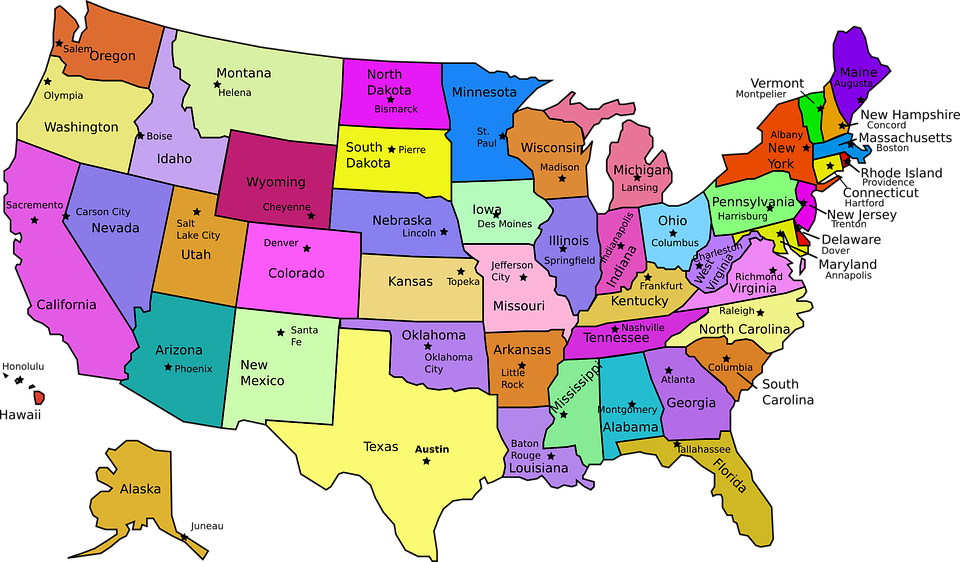
In summary, USA scholarship opportunities play a crucial role in making higher education accessible for many, especially underrepresented groups. By researching thoroughly and preparing well, aspiring students can maximize their chances of securing funding. Scholarships not only alleviate financial burdens but also foster diversity and inclusion within educational settings, paving the way for future generations.
Top FAQs
What types of scholarships are available in the USA?
There are various types of scholarships, including merit-based, need-based, athletic, and artistic scholarships, each with specific criteria.
How can I find scholarship opportunities?
You can find scholarships by searching online databases, consulting school counselors, and attending college fairs.
What documents do I need to apply for scholarships?
Typically, you need transcripts, personal statements, letters of recommendation, and proof of eligibility, depending on the scholarship requirements.
Are there scholarships for international students in the USA?
Yes, many scholarships are available specifically for international students, though eligibility criteria may vary.
How important is the personal statement in scholarship applications?
The personal statement is crucial as it allows you to showcase your motivations, goals, and uniqueness, making it a key component of your application.