Scholarships for Asian students in USA open doors to countless opportunities, making education more accessible and affordable for many ambitious individuals. As Asian students navigate the complexities of pursuing higher education in the United States, financial aid plays a crucial role in alleviating the burden of tuition costs and living expenses. These scholarships not only empower students to achieve their academic goals but also enrich the cultural diversity of campuses across the nation.
However, the journey to finding and securing scholarships can be challenging due to various barriers that Asian students face, including financial constraints and the intricacies of the application process. Despite these hurdles, many have thrived thanks to the support of scholarships, showcasing inspiring success stories that highlight the transformative power of financial aid in their educational pursuits.
Understanding the Importance of Scholarships for Asian Students in the USA
Financial aid plays a pivotal role in shaping the educational journeys of Asian students in the United States. As they aspire to attain quality education, scholarships emerge as a fundamental resource, alleviating financial burdens that might otherwise hinder their academic ambitions. Education in the USA is often accompanied by high tuition costs, making scholarships essential for students who may not have access to substantial financial support from their families or other sources.
The significance of scholarships extends beyond mere financial assistance; they also empower students by granting them opportunities to focus on their studies without the stress of heavy debts. Scholarships can enable students to engage in extracurricular activities, internships, and networking opportunities that enhance their educational experience and future career prospects.
Barriers Faced by Asian Students Without Scholarships
Asian students pursuing education in the USA encounter numerous challenges when scholarships are not available. The absence of financial aid can lead to significant barriers, making it difficult for them to thrive academically. Some of these challenges include:
- High Tuition Costs: Many prestigious institutions charge tuition fees that exceed the budget of average families, leaving students with limited options for financial support.
- Limited Access to Resources: Without scholarships, students may struggle to afford essential educational materials, such as textbooks, technology, and even transportation.
- Increased Debt: Many students resort to student loans, leading to long-term financial pressure that can deter them from pursuing advanced degrees or careers.
- Stress and Anxiety: The financial strain can lead to heightened stress levels, negatively impacting academic performance and mental health.
Success Stories of Asian Students Benefiting from Scholarships
Numerous success stories exemplify how scholarships positively influence the lives of Asian students. For instance, a student from India, who received a full scholarship to a renowned university, was able to pursue a degree in engineering. With the financial burden lifted, she excelled academically and gained hands-on experience through internships, leading to a successful job placement immediately after graduation. Similarly, another student from Vietnam was awarded a scholarship that allowed him to study business management.
He leveraged the resources and networking opportunities available through the scholarship program, ultimately launching his own startup, which has since become a successful venture in the tech industry. These stories highlight the transformative power of scholarships, showcasing how they can enable students to overcome barriers and achieve their dreams.
Types of Scholarships Available for Asian Students in the USA
Scholarships play a crucial role in making education accessible for Asian students in the USA. With various types of scholarships available, students can find financial support tailored to their individual circumstances. Understanding these options can significantly enhance their chances of securing funding for their studies.Asian students in the USA can explore several types of scholarships based on their academic achievements, financial needs, or specific affiliations.
Below is a comprehensive list of scholarship types, along with their associated requirements and characteristics.
Types of Scholarships
The following types of scholarships cater specifically to Asian students, reflecting their diverse needs and backgrounds:
- Merit-Based Scholarships: These scholarships are awarded based on academic, artistic, or athletic excellence. Applicants typically need to provide transcripts, test scores, or portfolios demonstrating their achievements. Examples include the National Merit Scholarship and university-specific merit scholarships.
- Need-Based Scholarships: Designed to assist students with demonstrated financial need, these scholarships require submission of financial documents, such as the FAFSA or CSS Profile. Institutions like the College Board or private organizations often offer these scholarships to help bridge the financial gap.
- Departmental Scholarships: Specific departments within universities may offer scholarships to students pursuing certain fields of study. These may consider both merit and need, and applicants often need to meet specific academic criteria relevant to their major.
- Community Scholarships: Local organizations and community groups often provide scholarships focused on supporting students from the local Asian community. Requirements may vary, but they generally emphasize community involvement and leadership.
- Private Organization Scholarships: Various private foundations and organizations, such as the Asian & Pacific Islander American Scholarship Fund (APIASF), offer scholarships aimed at Asian students. Each organization has its own eligibility criteria, often focusing on academic performance, community service, or ethnicity.
The differences between these scholarship types primarily lie in their selection criteria and purpose. Merit-based scholarships reward high achievers, while need-based scholarships support students facing financial hardships. Departmental scholarships cater to students in specific fields, combining elements of both merit and need. Private organizations and foundations significantly contribute to the scholarship landscape for Asian students. These entities often aim to promote diversity in higher education and empower underrepresented communities.
By providing targeted scholarships, they play a vital role in reducing financial barriers and encouraging academic pursuits among Asian students. In many cases, private scholarships can complement federal and state funding, creating a more comprehensive financial aid package for students.
How to Find Scholarships for Asian Students in the USA

Finding scholarships specifically tailored for Asian students in the USA can be a vital step toward achieving higher education goals. With a plethora of resources available, students can strategically navigate through various platforms to identify scholarships that suit their needs.Utilizing online resources, databases, and community networks is essential for locating relevant scholarships. Start by leveraging scholarship search engines that cater to diverse groups.
These platforms often allow students to filter searches based on ethnicity, study programs, and eligibility criteria. Additionally, connecting with community organizations, cultural centers, and educational institutions can provide leads on scholarships that may not be widely advertised.
Effective Strategies for Scholarship Searches, Scholarships for Asian students in USA
One effective strategy is to create a comprehensive list of potential scholarship sources. This allows for organized tracking and application management. Below are key resources that can be instrumental in the scholarship search process:
- Scholarship Search Engines: Websites like Fastweb, Cappex, and Niche offer extensive databases where students can create profiles and receive personalized scholarship matches.
- Asian American and Pacific Islander Organizations: Groups such as the Asian Pacific Fund and the Asian American Journalists Association provide various scholarships specifically aimed at supporting Asian students.
- University Financial Aid Offices: Many universities have dedicated offices that offer scholarships specifically for Asian students or provide guidance on external scholarship opportunities.
- Local Community Organizations: Local nonprofits and community centers often have scholarship programs designed to support students from specific backgrounds. Engaging with these organizations can uncover hidden opportunities.
- Social Media and Networking: Platforms like LinkedIn and Facebook often feature scholarship announcements. Joining groups related to scholarships for Asian students can enhance networking and provide timely updates.
Establishing a systematic approach to scholarship applications can significantly enhance the chances of success. Start by setting goals for the number of applications to submit monthly. Furthermore, prepare a template for personal statements and keep all necessary documents organized.
“Finding the right scholarship requires diligence, creativity, and a proactive approach.”
The Application Process for Scholarships: Scholarships For Asian Students In USA
Applying for scholarships can be a pivotal moment in a student’s academic journey, especially for Asian students in the USA. This process not only helps ease the financial burden of education but also provides opportunities for personal growth and networking. Understanding the steps involved in applying for scholarships can greatly enhance chances of success and help students present their best selves to potential scholarship committees.
Essential Steps in the Scholarship Application Process
The scholarship application process generally involves several key steps that are critical for success. This section Artikels the necessary components and provides tips for each stage.
1. Research Scholarships
Begin by identifying scholarships that cater specifically to Asian students or those relevant to your field of study. Websites like Fastweb, Cappex, or scholarship portals offered by universities are great starting points. Make a list of scholarships, noting their eligibility requirements and benefits.
2. Prepare Required Documents
Most scholarships will require an assortment of documents. These typically include academic transcripts, financial statements, and proof of citizenship or residency. Being organized with these documents can save time and stress.
3. Write Compelling Essays
A well-crafted essay is crucial. Here are some tips for writing an effective scholarship essay:
Understand the Prompt
Clearly address the prompt provided in the scholarship guidelines.
Showcase Your Passion
Share your personal experiences, aspirations, and how the scholarship aligns with your educational goals.
Be Authentic
Write in your voice. Authenticity resonates more than a perfectly polished but impersonal piece.
Edit and Revise
Take the time to revise your essay multiple times. Consider seeking feedback from mentors or peers to enhance clarity and impact.
4. Manage Deadlines
Deadlines play a critical role in the application process. Keeping track of various scholarship deadlines is essential to ensure timely submissions. Utilize a calendar or a spreadsheet to monitor application dates, document submission deadlines, and essay due dates. Prioritize tasks based on these deadlines to avoid last-minute stress.
5. Request Recommendation Letters
A strong recommendation letter can significantly bolster your application. Choose referees who know you well and can speak to your strengths and character. When approaching potential referees, provide them with ample time to write the letter, ideally several weeks in advance. Make sure to share your resume and details about the scholarship to help them tailor their letter.
“A strong application is built on thorough preparation, compelling storytelling, and meaningful connections.”
Following these steps can pave the way for a successful scholarship application, enhancing your chances of receiving vital financial support for your education.
Preparing an Outstanding Scholarship Application
Creating a standout scholarship application is vital for Asian students seeking educational opportunities in the USA. This process not only showcases academic accomplishments but also highlights unique personal experiences and cultural backgrounds that contribute to a well-rounded application. By carefully crafting the application, students can significantly increase their chances of securing financial aid for their education.A compelling scholarship application begins with a clear understanding of the requirements and expectations of the scholarship provider.
Tailoring each application to resonate with the values and goals of the scholarship is crucial. This involves emphasizing qualities such as leadership, community service, and resilience—traits often found in Asian students’ narratives. To effectively present these attributes, applicants should carefully consider their individual life experiences and how these have shaped their aspirations.
Common Pitfalls in Scholarship Applications
Navigating the scholarship application landscape can be tricky, and applicants often encounter several common pitfalls. Recognizing these can help avoid unnecessary setbacks. Here are notable pitfalls and ways to sidestep them:
Generic Applications
Submitting the same application to multiple scholarships can dilute an applicant’s unique voice. Tailoring applications for each scholarship is essential.
Neglecting Guidelines
Ignoring word limits or specific instructions can lead to disqualification. Always adhere to the provided guidelines.
Weak Personal Statements
A lack of authenticity and depth in personal statements can weaken applications. Crafting a genuine narrative that reflects personal challenges and achievements can enhance impact.
Inadequate Proofreading
Spelling and grammatical errors portray a lack of professionalism. Thorough proofreading or seeking help from peers can mitigate this risk.By being mindful of these pitfalls, applicants can ensure that their submissions are polished and compelling.
Significance of Personal Statements
The personal statement serves as a critical component of a scholarship application, offering a platform for applicants to express their individual stories and ambitions. This narrative can profoundly influence the selection committee’s perception. A well-crafted personal statement can set an applicant apart by highlighting their unique perspectives and experiences.To create an effective personal statement, applicants should consider the following:
Authenticity
Sharing genuine experiences provides insight into the individual’s character and motivations. Authenticity resonates with readers.
Specific Examples
Utilizing specific instances from one’s life can illustrate personal growth, challenges overcome, and future aspirations. This adds depth to the narrative.
Connection to the Scholarship
Clearly articulating how the scholarship aligns with future goals showcases the applicant’s intent and purpose.
Reflective Tone
Including reflections on past experiences allows the applicant to demonstrate maturity and insight, making their story more relatable and impactful.In summary, a standout scholarship application showcases the applicant’s journey, effectively communicates their aspirations, and avoids common missteps. By emphasizing personal narratives and tailoring applications, Asian students can significantly enhance their chances of receiving scholarships in the USA.
Cultural Considerations in Scholarship Applications

Asian students often possess unique cultural perspectives that can significantly enrich their scholarship applications. These perspectives may stem from diverse backgrounds, including family values, educational experiences, and community involvement. By embracing their cultural identities, students can present a compelling narrative that sets them apart from other candidates. Understanding the nuances of these cultural contributions is crucial for both applicants and scholarship committees, as it fosters a more inclusive educational environment.The intersection of cultural heritage and personal experiences plays a vital role in shaping an applicant’s identity.
Many Asian students can draw from rich traditions, languages, and community responsibilities that inform their worldviews and aspirations. To effectively convey these elements in scholarship application essays, candidates should focus on integrating personal anecdotes that highlight the impact of their cultural background. Some effective strategies include:
Effective Conveyance of Cultural Heritage
When articulating cultural heritage and experiences, the following approaches can create a strong, relatable narrative:
-
Share personal stories that illustrate the influence of cultural values on personal goals and achievements.
For instance, a student might recount a family tradition of academic excellence that motivated their pursuit of higher education.
- Highlight community involvement that reflects cultural background, such as volunteering for cultural festivals or participating in community service that supports one’s heritage.
- Discuss challenges faced due to cultural identity and how these experiences have shaped resilience and character.
- Incorporate cultural artifacts or symbols that hold personal significance, explaining their relevance to academic and personal growth.
Cultural background can significantly influence scholarship selection criteria. Many scholarships aim to represent and support underrepresented groups, making it essential for applicants to highlight their unique backgrounds. Scholarship committees often look for candidates who not only excel academically but also demonstrate a commitment to diversity, community service, and leadership within their cultural contexts. As such, Asian students can leverage their cultural experiences to enhance their appeal as candidates, showcasing how their background contributes to a broader understanding of diversity in the educational landscape.
Post-Award Responsibilities and Opportunities
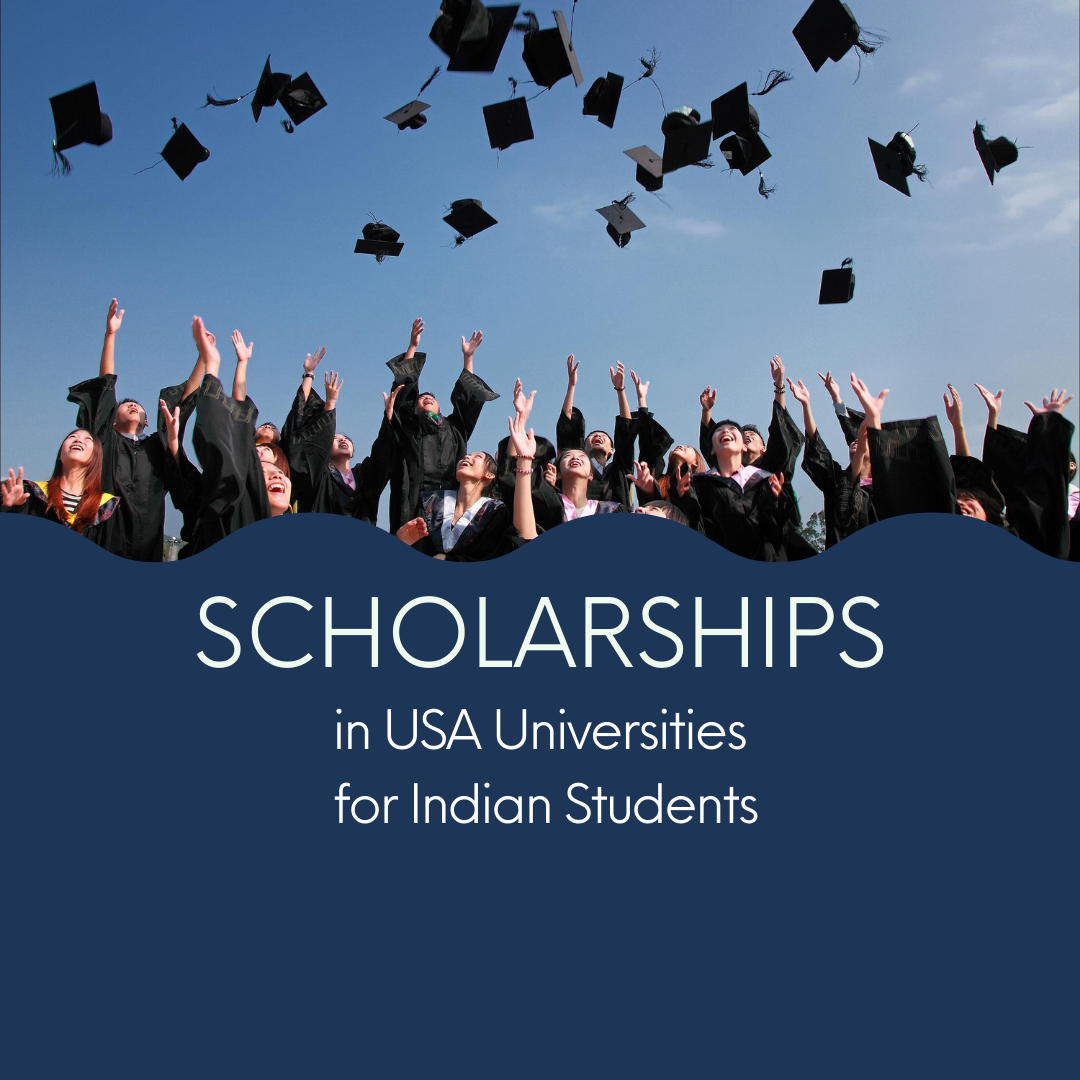
Receiving a scholarship as an Asian student in the USA opens doors to a wealth of opportunities, but it also comes with a set of responsibilities. Understanding and fulfilling these responsibilities is crucial to maintaining scholarship eligibility and maximizing the benefits that come with it. In addition to academic performance, engaging with the scholarship community and leveraging the opportunities provided can significantly enhance your educational and professional journey.Maintaining eligibility for scholarships typically involves adhering to specific academic standards and engaging in activities that reflect positively on the scholarship organization.
Most scholarships require recipients to maintain a minimum GPA, which can range from 2.5 to 3.5 depending on the scholarship provider. In addition to academic performance, recipients often need to complete a certain number of community service hours or participate in events organized by the scholarship sponsor. This ensures that students are not only focused on their studies but are also contributing positively to their communities.
Leveraging Scholarships for Internships and Networking Opportunities
Scholarships can serve as a springboard for internships and networking opportunities, which are essential for career advancement. By actively participating in events and programs associated with the scholarship, recipients can connect with industry professionals and like-minded peers.To maximize these opportunities, consider the following:
- Attend networking events hosted by the scholarship organization or partner institutions, where you can meet potential employers and mentors.
- Engage with alumni of the scholarship program, as they can offer valuable insights and guidance on career paths and internship opportunities.
- Utilize online platforms where scholarship recipients share job postings, internships, and professional development events tailored to your field of study.
Engagement with the scholarship community is not just about maintaining your award; it’s about building a professional network that can support your career goals. Networking can lead to internships, which are critical for gaining practical experience and enhancing your resume. Staying connected with fellow scholarship recipients and program coordinators fosters a sense of community and provides access to resources that can aid in your academic and professional growth.
Engaging in workshops, discussions, and collaborative projects can enrich your educational experience, making you a more competitive candidate in the job market.
Future Trends in Scholarships for Asian Students
As the landscape of education evolves, scholarships for Asian students in the USA are undergoing significant transformation. Emerging trends reflect changing demographics, global events, and advancements in technology, all of which influence the availability and accessibility of funding opportunities for aspiring students. Understanding these trends is crucial for students and institutions alike as they navigate the complex world of scholarship applications.Changing demographics and global events play a critical role in shaping scholarship offerings.
The increasing number of Asian students seeking education in the U.S. has prompted universities and organizations to adapt their scholarship programs to meet the rising demand. For instance, socio-political events, such as immigration policies and international relations, can either enhance or hinder scholarship opportunities. The COVID-19 pandemic has also led to a reevaluation of funding priorities, with many institutions increasing financial aid to support students financially impacted by the crisis.
Furthermore, the focus on diversity, equity, and inclusion is inspiring many organizations to create scholarships specifically aimed at underrepresented Asian communities, fostering a more inclusive educational environment.
Impact of Technology on Scholarship Processes
Technology is revolutionizing the scholarship landscape, streamlining application processes and enhancing accessibility. Online platforms are increasingly becoming the primary means for students to find and apply for scholarships. These platforms allow for centralized databases where students can search for opportunities tailored to their backgrounds and interests, ensuring a more efficient and user-friendly experience. Moreover, the rise of artificial intelligence (AI) in scholarship applications is expected to personalize the application process further, providing recommendations based on students’ profiles and needs.
“The integration of technology in scholarship processes is set to democratize access, making it easier for students to discover funding that aligns with their aspirations.”
Predictions indicate that scholarship applications will continue to evolve, with more universities embracing digital innovations like blockchain technology to verify student credentials and financial need transparently. In addition, the introduction of data analytics will help institutions better understand applicant trends, leading to more effective scholarship offerings that align with the diverse needs of the student population. As technology continues to advance, the future of scholarships for Asian students looks promising, with greater opportunities for those pursuing their educational dreams in the USA.
Closing Notes
In summary, scholarships for Asian students in USA are more than just financial support; they represent a pathway to success and a means to overcome obstacles. By understanding the types of scholarships available, navigating the application process, and leveraging cultural perspectives, students can maximize their chances of receiving aid. As the landscape of scholarships continues to evolve, staying informed and proactive will be key to unlocking future opportunities.
Question Bank
What types of scholarships are available for Asian students?
Asian students can access various scholarships, including merit-based, need-based, and departmental scholarships, as well as those offered by private organizations and foundations.
How can I find scholarships specifically for Asian students?
Students can utilize online databases, community networks, and dedicated scholarship websites to locate relevant scholarships tailored for Asian students.
What should I include in my scholarship application?
It’s essential to highlight your unique qualities, experiences, and cultural background while providing a compelling personal statement and strong recommendation letters.
Are there any specific deadlines for scholarship applications?
Deadlines vary between scholarships, so it’s crucial to check each scholarship’s requirements and manage your time efficiently to avoid missing out.
What are the responsibilities after receiving a scholarship?
Scholarship recipients must maintain eligibility by meeting specific academic standards and are encouraged to engage with scholarship communities and opportunities for networking.