Agriculture scholarships USA sets the stage for this enthralling narrative, offering students a gateway into a field that is vital for our future. These scholarships are more than just financial assistance; they play a crucial role in promoting food security, sustainability, and diversity within the agricultural sector. By supporting aspiring farmers, researchers, and agricultural professionals, these opportunities help cultivate a new generation dedicated to addressing global challenges in food production and environmental stewardship.
Whether you are a high school graduate or a working professional looking to advance your education, there are numerous agriculture scholarships available across various institutions and organizations. Understanding the different types, eligibility criteria, and application processes can significantly enhance your chances of obtaining the financial support you need to flourish in this essential field.
The Importance of Agriculture Scholarships in the USA
Agriculture scholarships play a crucial role in shaping the future of the agricultural sector in the United States. As the demand for food continues to grow alongside an expanding global population, these scholarships provide vital support for students aspiring to make a difference in the agriculture industry. By reducing the financial burden of education, they enable a new generation of agricultural leaders to emerge.These scholarships are not just financial aids; they are investments in food security and sustainability.
They encourage students to pursue studies in areas such as agronomy, agricultural engineering, and environmental science, which are essential for developing innovative solutions to the challenges faced by the agricultural sector. As students gain knowledge and skills through their studies, they become equipped to tackle issues such as climate change, resource management, and sustainable farming practices.
Financial Support Encouraging Diverse Candidates in Agriculture
Financial support from agriculture scholarships is vital for attracting a diverse range of candidates into the agricultural field. This diversity brings fresh perspectives and innovative ideas that are necessary for the evolution of agriculture. Scholarships can help reduce financial barriers for underrepresented groups, including minority students, women, and those from low-income families, thereby enriching the agricultural workforce.The importance of this support is highlighted by the following points:
- Scholarships can cover tuition costs, allowing students to focus on their studies rather than worrying about debt.
- They often include mentorship programs, connecting students with industry professionals who can provide guidance and insight into their careers.
- Many scholarships encourage interdisciplinary studies, fostering collaboration between agriculture and fields such as technology and environmental science.
- Through outreach and recruitment efforts, scholarship programs can help promote agricultural careers to a broader audience, ensuring a more diverse talent pool.
These initiatives are essential not only for individual students but also for the agricultural industry as a whole, as they contribute to a more inclusive and innovative workforce that can effectively respond to future challenges in food production and sustainability.
Types of Agriculture Scholarships Available in the USA
Agriculture scholarships in the USA come in various forms, catering to different student needs and interests within the field of agricultural sciences. These scholarships are designed to support students pursuing careers in agriculture, ensuring that future generations can contribute to this vital industry. Understanding the different types available is crucial for prospective applicants to identify the best opportunities for their education and career goals.Scholarships can be offered by universities, private organizations, and government entities, each with its unique eligibility criteria and benefits.
Below, we explore some of the key categories of agriculture scholarships, highlighting their features and specific examples.
University Scholarships
Many universities across the USA offer scholarships specifically for students enrolled in agriculture programs. These scholarships often consider academic performance, financial need, and specific fields of study.
- University of California, Davis – Agriculture and Environmental Sciences Scholarships: Applicants generally need a minimum GPA and must be enrolled in one of the university’s agriculture-related programs. Beneficiaries can receive funding that helps cover tuition fees and related educational expenses.
- Penn State University – College of Agricultural Sciences Scholarships: This institution offers a range of scholarships based on merit and need. Applicants often need to demonstrate a commitment to agriculture through involvement in related extracurricular activities or work experience.
Government Scholarships
Government entities also provide scholarships aimed at promoting agricultural education. These scholarships often serve to encourage students from underrepresented backgrounds or those planning to work in specific sectors of agriculture.
- USDA National Institute of Food and Agriculture (NIFA) Scholarships: These scholarships are available for students pursuing careers in food, agriculture, natural resources, and human sciences. Eligibility typically requires U.S. citizenship and enrollment in an accredited institution.
- FFA Scholarships: Offered by the National FFA Organization, these scholarships support members involved in agricultural education. Applicants must demonstrate leadership and a commitment to agriculture through their participation in FFA activities.
Private Organization Scholarships
Numerous private organizations sponsor scholarships for agriculture students, focusing on various aspects of the industry. These scholarships can range from general agricultural studies to specific fields like horticulture or agronomy.
- American Farm Bureau Foundation for Agriculture Scholarships: This foundation offers several scholarships to students pursuing a degree in agriculture. Applicants need to be active members of Farm Bureau and demonstrate a passion for the agricultural field.
- Crop Science Society of America (CSSA) Scholarships: CSSA provides scholarships for students majoring in crop science or related disciplines. Eligibility typically includes enrollment in a degree program and academic merit.
“Agricultural scholarships not only alleviate financial burdens but also foster a new generation of innovators in the agricultural sector.”
How to Find Agriculture Scholarships in the USA
Finding agriculture scholarships in the USA can be a straightforward process if you employ effective research strategies. With so many resources available, students interested in pursuing a career in agriculture have numerous opportunities at their fingertips. Utilizing the right tools and networks can significantly enhance your chances of discovering suitable scholarships.One effective strategy for researching agriculture scholarships is to tap into various online resources.
Scholarship databases and agricultural organizations are invaluable assets for students seeking financial assistance. These platforms often compile lists of available scholarships that cater specifically to agricultural studies.
Utilizing Online Resources
Exploring online resources requires a strategic approach to ensure you maximize your search for agriculture scholarships. Here are some key resources that can help you in your pursuit:
- Scholarship Databases: Websites like Fastweb, Cappex, and College Board allow students to create profiles and match them with relevant scholarships based on their backgrounds and interests.
- Agricultural Organizations: Organizations such as the National FFA Organization and the American Farm Bureau Federation often provide scholarship listings. These organizations also offer members exclusive opportunities.
- University Resources: Many universities have dedicated scholarship offices that provide information on both internal and external scholarships available to their students. Checking your prospective school’s website can yield valuable leads.
- Social Media and Forums: Platforms like Facebook, LinkedIn, and Reddit can be excellent for discovering scholarship opportunities. Joining agriculture-related groups can connect you with fellow students and industry professionals sharing scholarship information.
Networking with professionals in the agriculture sector plays a crucial role in identifying scholarship opportunities. Building relationships with industry experts can lead to recommendations and insights that are not widely advertised.
Importance of Networking
Networking effectively can open many doors in the agriculture sector, including scholarship opportunities. Engaging with professionals and alumni can provide firsthand information about scholarships that may not be widely known. When networking, consider the following strategies:
- Attend Industry Events: Conferences, workshops, and agricultural fairs provide opportunities to meet industry leaders, potential mentors, and fellow students who can share scholarship insights.
- Join Professional Associations: Becoming a member of associations related to agriculture can provide access to exclusive scholarships and networking events.
- Connect with Alumni: Reach out to alumni from your desired program or school to learn about their experiences and any scholarships they may have encountered.
- Use Online Platforms: Sites like LinkedIn are great for connecting with professionals in your field. Don’t hesitate to reach out to individuals who might offer advice or know of scholarship opportunities.
Through these strategies, students can uncover a wealth of agriculture scholarships that can significantly ease the financial burden of their education. By leveraging both online resources and networking, aspiring agricultural professionals can find valuable funding opportunities to support their academic journeys.
The Application Process for Agriculture Scholarships
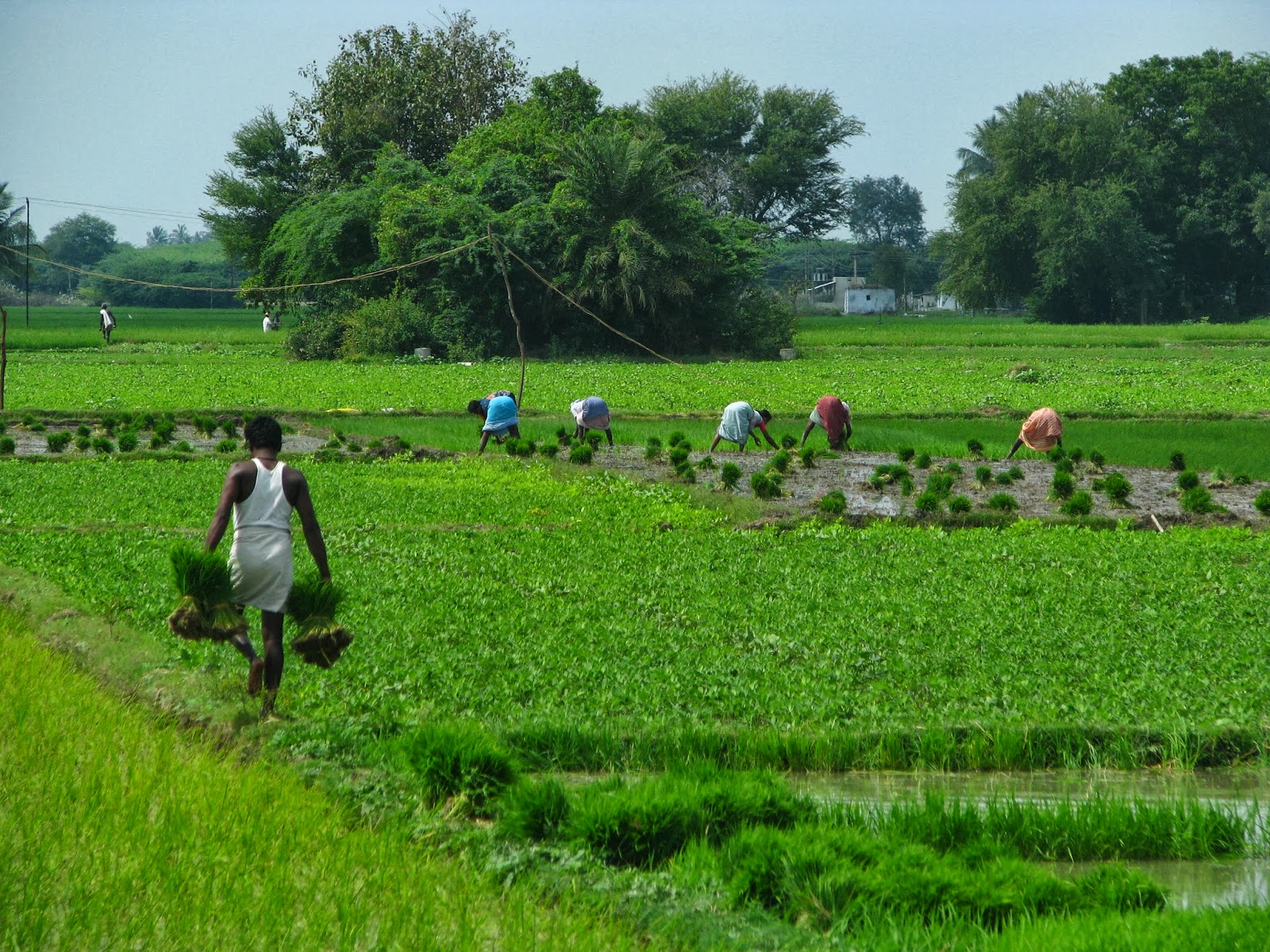
Applying for agriculture scholarships can be a straightforward process if you understand the necessary steps and requirements. These scholarships are designed to support students pursuing various fields in agriculture, from agronomy to agribusiness. Knowing how to navigate this process can help you secure the funding you need to further your education and career in agriculture.The application process typically involves several key steps that each applicant should follow to improve their chances of receiving a scholarship.
First, it’s essential to research available scholarships and identify those that match your qualifications and career goals. After selecting the appropriate scholarships, you will need to gather necessary documentation, including transcripts, personal statements, and letters of recommendation, to complete your application package.
Importance of a Strong Personal Statement
A well-crafted personal statement is a critical component of your scholarship application. It allows you to express your passion for agriculture, your educational and career aspirations, and your unique experiences. When writing your personal statement, keep the following elements in mind:
- Clearly articulate your background in agriculture and what sparked your interest in this field.
- Highlight any relevant experiences, such as internships, volunteer work, or research projects.
- Discuss your long-term goals and how the scholarship will help you achieve them.
- Be genuine and reflective; authenticity will resonate with the selection committee.
“A personal statement is your chance to make a lasting impression—make it count.”
Obtaining Effective Letters of Recommendation
Letters of recommendation play a crucial role in lending credibility to your application. Selecting the right individuals to write these letters can significantly impact your chances of receiving a scholarship. Here are some tips for obtaining effective letters of recommendation:
- Choose recommenders who know you well and can speak to your skills and character, ideally in an agricultural context.
- Provide your recommenders with details about the scholarship, your achievements, and the qualities you’d like highlighted in the letter.
- Request letters well in advance of the application deadline to give recommenders ample time to write a thoughtful letter.
Avoiding Common Pitfalls, Agriculture scholarships USA
Several common pitfalls can derail your scholarship application process. Being aware of these can help you avoid making mistakes that could cost you funding opportunities:
Failing to follow instructions
Always read and adhere to the scholarship guidelines. Missing documentation or submitting an incomplete application can lead to disqualification.
Procrastination
Waiting until the last minute to apply can result in rushed applications that lack quality. Start your application process early.
Neglecting proofreading
Grammatical errors and typos can detract from the professionalism of your application. Take the time to thoroughly review your materials or ask someone else to proofread them.
Underestimating the competition
Many scholarships attract a large number of applicants. Make sure your application stands out by showcasing your unique strengths and qualifications.By understanding and carefully navigating the application process, you can improve your chances of winning agriculture scholarships and take a significant step toward your educational goals.
Tips for Writing a Compelling Scholarship Essay

Crafting a compelling scholarship essay requires a unique blend of personal storytelling and clear communication of your passion for agriculture. It’s an opportunity to showcase not just your academic achievements but also your commitment to the agricultural field and its future. A well-structured essay can make a significant difference in your scholarship application and help you stand out in a competitive pool.To create an impactful scholarship essay, it’s essential to convey your experiences, aspirations, and the reasons why you deserve the scholarship.
The structure of your essay should effectively guide the reader through your journey and highlight significant moments that have shaped your interest in agriculture. Here are some key elements to include.
Key Elements of a Compelling Scholarship Essay
When writing your scholarship essay, consider incorporating the following elements that can enhance your narrative and make your application memorable:
- Personal Anecdotes: Share specific experiences that sparked your interest in agriculture. For instance, recount a summer spent on a family farm, detailing the lessons learned about sustainability and hard work. Personal stories resonate with readers and can evoke an emotional connection.
- Academic and Career Goals: Clearly Artikel your educational objectives and professional aspirations within the agriculture sector. For example, you might express a desire to innovate in sustainable farming practices or improve food security in your community.
- Community Involvement: Highlight any volunteer work or community projects related to agriculture. Discuss your role in local farming initiatives or school agriculture clubs, showcasing your dedication to making a difference.
- Challenges Overcome: Discuss any obstacles you’ve faced in your educational journey and how you’ve addressed them. This could include balancing schoolwork with part-time farming jobs or overcoming financial hardships, demonstrating resilience and commitment.
- Future Contributions: Conclude with a strong statement about how receiving the scholarship will enable you to contribute to the agriculture field. This might include specific goals you aim to achieve that align with the scholarship’s mission.
An example of a powerful anecdote could be detailing a project where you implemented eco-friendly practices on your family farm, leading to a measurable increase in crop yield. Sharing such experiences not only illustrates your hands-on knowledge but also your innovative thinking and ability to apply what you’ve learned in real-world settings.Incorporating these elements will help create a well-rounded and compelling essay that speaks directly to scholarship committees, showcasing your qualifications and enthusiasm for a future in agriculture.
Profiles of Successful Agriculture Scholarship Recipients: Agriculture Scholarships USA
The journey to success in the agriculture field can often be propelled by the support of scholarships, which provide essential resources and opportunities to aspiring agriculturalists. This segment highlights the inspiring stories of several individuals who have successfully obtained agriculture scholarships, showcasing their diverse backgrounds, ambitions, and the significant impact these scholarships have had on their educational and professional paths.Scholarships in agriculture not only alleviate financial burdens but also foster a community of passionate individuals committed to advancing the agricultural sector.
These scholarship recipients represent various aspects of agriculture, from sustainable farming practices to innovative agricultural technology. Their contributions serve as a beacon of hope and inspiration for future generations in the field.
Inspirational Stories of Recipients
The following profiles illustrate the transformative effects of agriculture scholarships on the lives of students and their communities:
-
Emily Johnson: A first-generation college student from a farming family in rural Kansas, Emily received the National Future Farmers of America (FFA) Scholarship. She aspired to study agronomy and sustainable agriculture at a leading university. With the funds, Emily was able to purchase necessary materials for her studies, such as soil testing kits and agricultural technology tools.
Post-graduation, she has established a local farming cooperative that implements sustainable practices, significantly improving crop yields and enhancing food security in her community.
- Michael Chen: Raised in a suburban area, Michael’s interest in agriculture began with his family’s backyard garden. He earned the USDA Scholarship for Agricultural Innovation, allowing him to attend a prestigious agriculture program. His research on vertical farming technologies led to innovative practices in urban agriculture. After graduating, Michael launched a startup focused on developing smart irrigation systems, helping urban farmers maximize productivity while conserving water.
- Fatima Ahmed: Coming from a background in environmental science, Fatima was awarded the Global Agriculture Scholarship for her commitment to sustainable farming. Her studies emphasized agroecology and community-supported agriculture (CSA). Following her education, she founded a nonprofit organization that educates local farmers about sustainable practices, empowering them to adapt to climate change while promoting biodiversity in their farming methods.
“Scholarships are not just financial support; they are a belief in our potential to create positive change in agriculture.”
Emily Johnson
Each of these individuals showcases how agriculture scholarships can serve as a catalyst for personal growth and professional development. Their commitment to agriculture not only drives their success but also positively impacts their communities, demonstrating the real-world implications of investing in agricultural education.
The Impact of Agriculture Scholarships on Local Communities
Agriculture scholarships play a pivotal role in shaping the future of local communities by fostering education and innovation in agricultural practices. By providing financial support to aspiring agriculturalists, these scholarships contribute not only to individual development but also to the economic and social vitality of the regions they serve. This initiative empowers individuals to pursue careers in agriculture, leading to a ripple effect that benefits the entire community.The influence of agriculture scholarship recipients extends far beyond personal achievement; they are often at the forefront of tackling local agricultural challenges.
These individuals bring fresh perspectives, innovative techniques, and a commitment to sustainable practices that can transform local farming operations. With their enhanced skills and knowledge, scholarship holders are well-equipped to implement solutions that address issues like food security, environmental sustainability, and economic resilience within their communities.
Initiatives by Scholarship Recipients to Promote Sustainable Agriculture
Scholarship recipients frequently engage in community projects that exemplify sustainable agricultural practices. These initiatives not only enhance local food production but also educate community members on environmentally friendly methods. Examples of such projects include:
- Community Gardens: Recipients often initiate community gardens that serve as both a food source and an educational tool. These gardens allow residents to learn about organic farming, crop rotation, and community-supported agriculture while fostering a sense of community.
- Workshops and Training Sessions: Many scholarship holders organize workshops that teach sustainable farming techniques, such as permaculture and regenerative agriculture. These sessions empower local farmers with knowledge on maintaining soil health and reducing chemical use.
- Research on Local Crops: Some scholarship recipients engage in research projects focusing on locally adapted crop varieties. By promoting crops that thrive in local conditions, they help improve yields and resilience against climate change.
- Food Distribution Networks: Initiatives that build food distribution networks help connect local farmers directly with consumers, enhancing community access to fresh produce while supporting local agribusinesses.
These projects not only enhance agricultural practices but also foster community engagement and improve economic conditions. When agriculture scholarships empower individuals to take such actions, they create a more sustainable and resilient agricultural landscape that benefits everyone involved.
“Empowering individuals through education leads to a stronger, more sustainable community.”
Through these efforts, scholarship recipients contribute significantly to addressing local agricultural challenges, making a meaningful impact on their communities’ long-term health and prosperity.
Future Trends in Agriculture Scholarships in the USA

As the agricultural landscape evolves, so too does the realm of scholarships aimed at nurturing the next generation of agricultural leaders. The future trends in agriculture scholarships reflect broader changes in technology, innovation, and demographic shifts within the sector. Understanding these trends is essential for stakeholders looking to enhance educational pathways and workforce development in agriculture.
Emerging Trends in Agriculture Scholarships
The scholarship landscape is witnessing several key trends that have the potential to reshape the agriculture sector significantly. These trends include increased emphasis on sustainability, collaboration with industry partners, and the diversification of funding sources.
- Sustainability Focus: Many scholarships now prioritize candidates who propose innovative solutions to sustainable farming practices, aligning educational pursuits with environmental stewardship.
- Industry Partnerships: Collaborations between educational institutions and agricultural firms are becoming prevalent, allowing scholarships to be tailored to the skills and knowledge needed in the workforce.
- Diverse Funding Sources: Beyond traditional avenues, scholarships are increasingly supported by non-profits and private sectors, fostering a competitive yet accessible funding environment.
These trends highlight a shift towards integrating practical skills and sustainability into agricultural education.
Role of Technology and Innovation
Technology is playing an increasingly pivotal role in shaping scholarship opportunities within agriculture. Innovations in agri-tech, such as precision farming, drone technology, and biotechnology, are influencing scholarship criteria and offerings.
- Access to Online Learning: The rise of online education platforms has enabled flexible learning opportunities for students, expanding access to agricultural scholarships for non-traditional students.
- Data-Driven Decisions: Scholarship programs are utilizing big data and analytics to evaluate applicants more effectively, ensuring that funding goes to candidates who demonstrate potential for impactful contributions to the field.
- Innovation Labs: Many scholarship programs are now incorporating innovation labs where students can engage in hands-on projects, fostering creativity and practical skills that are essential in modern agriculture.
These advancements not only enhance the educational experience but also prepare students for a tech-driven agricultural environment.
Impact of Changing Demographics
The demographics of the agriculture sector are shifting, influencing the landscape of agriculture scholarships in significant ways. As the workforce becomes more diverse, scholarship programs are evolving to reflect these changes, offering greater inclusivity and accessibility.
- Increased Diversity: Scholarships aimed at underrepresented groups, including women and minority students, are on the rise, encouraging a more diverse workforce in agriculture.
- Age Demographics: With an aging farmer population, there is a growing focus on attracting younger individuals to the field, leading to scholarships that are specifically designed for high school students and recent graduates.
- Rural vs. Urban Dynamics: Programs are being developed to cater to both rural and urban applicants, recognizing the different challenges and opportunities faced by students in varying contexts.
These demographic trends are crucial for fostering an inclusive agricultural sector that can meet future challenges head-on while leveraging diverse perspectives and skills.
Concluding Remarks
In conclusion, agriculture scholarships USA not only provide essential funding for education but also contribute positively to our communities and the agricultural landscape at large. By empowering individuals with the necessary resources to pursue their dreams, these scholarships help cultivate innovative solutions to the pressing issues we face in agriculture today. As we look to the future, it is clear that investing in education and support for aspiring agricultural leaders is vital for ensuring a sustainable and prosperous tomorrow.
Popular Questions
What types of agriculture scholarships are available?
There are various types of agriculture scholarships, including those offered by universities, government programs, and private organizations, each with unique eligibility requirements.
How can I find agriculture scholarships?
Utilizing online scholarship databases, visiting agricultural organizations’ websites, and networking with industry professionals are effective strategies for discovering available scholarships.
What is the application process for agriculture scholarships?
The application process typically involves completing an application form, crafting a personal statement, and obtaining letters of recommendation.
What should I include in my scholarship essay?
Your essay should be well-structured and include personal anecdotes, your passion for agriculture, and how the scholarship will help you achieve your goals.
How do agriculture scholarships impact local communities?
Scholarship recipients often engage in community projects that promote sustainable practices, positively influencing local economies and addressing agricultural challenges.