Athletic scholarships USA provide a gateway for talented athletes to pursue their academic dreams while competing at a collegiate level. These scholarships not only ease the financial burden of higher education but also open doors to a wealth of opportunities in the sports world. With various types of scholarships available, from full to partial funding, understanding the landscape of athletic scholarships is crucial for aspiring student-athletes.
As we dive deeper, we’ll explore the different types of scholarships, the eligibility criteria, the application process, and the recruitment landscape. Additionally, we will discuss how these scholarships can impact both academic and athletic performance, as well as the long-term benefits they offer beyond college. Whether you’re an athlete looking to fund your education or a coach guiding prospective students, this overview will equip you with the insights needed to navigate the world of athletic scholarships in the USA.
Understanding the Types of Athletic Scholarships Available in the USA
Athletic scholarships in the USA provide a unique opportunity for student-athletes to further their education while pursuing their sports passions. Colleges and universities recognize the talent and dedication of these individuals and offer various types of scholarships to support them financially. Understanding the different kinds of athletic scholarships available is essential for aspiring student-athletes looking to navigate their options effectively.Among the types of athletic scholarships, they can generally be categorized into two main groups: full scholarships and partial scholarships.
Full scholarships are comprehensive and typically cover all educational expenses, including tuition, fees, room and board, and sometimes even additional costs like books and supplies. On the other hand, partial scholarships may cover only a portion of these expenses, which means that the student-athlete may still need to find other funding sources, such as financial aid or personal contributions, to cover the remaining costs.
Types of Sports Offering Athletic Scholarships
Different sports have distinct scholarship offerings, often based on their popularity, the level of competition, and the number of scholarships allocated by the NCAA (National Collegiate Athletic Association) and other governing bodies. Below are some examples of sports that provide athletic scholarships, along with their unique criteria:
- Football: One of the most lucrative sports in terms of scholarships, football programs often offer full scholarships. NCAA Division I programs can provide a maximum of 85 full scholarships, while Division III institutions typically do not offer athletic scholarships but may grant financial aid based on athletic participation.
- Basketball: Similarly, basketball offers substantial scholarship opportunities, with NCAA Division I schools able to provide 13 full scholarships for men’s teams and 15 for women’s teams. These scholarships are highly competitive and often require exceptional talent.
- Track and Field: This sport offers a mix of full and partial scholarships. NCAA Division I can grant up to 12.6 scholarships for men’s teams and 18 for women’s teams, allowing coaches flexibility in distributing scholarships among athletes.
- Soccer: Soccer scholarships can also vary; NCAA Division I men’s teams can offer 9.9 scholarships, whereas women’s teams can offer 14. These are generally partial scholarships, so student-athletes might need additional financial support.
- Swimming and Diving: Swimming scholarships are quite competitive, with NCAA Division I institutions offering around 9.9 scholarships for men and 14 for women, typically covering tuition and other expenses.
“Athletic scholarships not only help in financing education but also foster a commitment to excellence in both academics and sports.”
Understanding these various types of athletic scholarships helps student-athletes make informed decisions about their future while maximizing their potential in both their sport and their education.
The Eligibility Criteria for Athletic Scholarships in the USA
Athletic scholarships in the USA provide a unique opportunity for student-athletes to pursue their academic and athletic goals simultaneously. However, obtaining these scholarships requires meeting specific eligibility criteria set forth by various organizations, including the NCAA, NAIA, and NJCAA. Understanding these requirements is crucial for athletes aiming to secure financial assistance for their education.The eligibility requirements for athletic scholarships encompass a blend of academic performance and athletic prowess.
These factors play a significant role in the recruiting process, as coaches and institutions look for well-rounded candidates who excel both on the field and in the classroom. Below are the main components that potential scholarship recipients should be aware of.
Academic Requirements
A solid academic foundation is essential for student-athletes seeking athletic scholarships. Institutions typically set minimum academic standards, which include:
- GPA Requirements: Most colleges require a minimum GPA of around 2.0 on a 4.0 scale, but more competitive programs may demand a GPA of 3.0 or higher. This ensures that student-athletes can handle the academic workload while participating in sports.
- Standardized Test Scores: Many colleges require SAT or ACT scores. For instance, a common benchmark might be an SAT score of at least 900 or an ACT score of 18. However, higher scores can significantly enhance a student-athlete’s chances, especially in competitive sports.
In addition to GPA and test scores, student-athletes must complete a certain number of core courses during high school, generally including subjects like English, math, and science. This rigorous academic preparation not only meets eligibility standards but also equips athletes for college-level coursework.
Athletic Performance Evaluation
Athletic performance is a critical factor in the scholarship evaluation process. Coaches and recruiting teams assess potential candidates through various methods:
- Performance Stats: Coaches often look for measurable statistics, such as points scored, assists, or personal bests in track events, to gauge an athlete’s capabilities. These statistics provide a clear representation of an athlete’s skills and contributions to their team.
- Highlight Reels: Video footage showcasing an athlete’s best performances is commonly used by coaches to evaluate talent. Highlight reels should effectively illustrate not only skill and technique but also an athlete’s ability to perform under pressure and in competitive environments.
- Scouting Reports: Many coaches rely on scouting reports from tournaments or competitions. These reports often include insights from previous coaches or sports analysts, detailing an athlete’s strengths, weaknesses, and overall potential.
Additionally, attending showcases and camps can significantly enhance visibility among college coaches, providing opportunities for direct evaluation. Athletes should focus on developing their skills and maintaining strong performance levels consistently.
“As much as athletic ability matters, the right academic performance can be the key to unlocking scholarship opportunities.”
In conclusion, securing an athletic scholarship in the USA involves meeting a set of academic requirements and demonstrating exceptional athletic performance. Athletes who maintain a strong GPA, achieve competitive test scores, and showcase their skills effectively are more likely to attract the attention of coaches and increase their chances of receiving scholarship offers.
The Application Process for Athletic Scholarships in the USA
The journey to securing an athletic scholarship in the USA requires careful planning and execution. Aspiring student-athletes need to be proactive and organized to navigate the various stages of the application process. From initial preparations to the final submission, each step plays a crucial role in obtaining that coveted scholarship.The application process is structured into distinct phases, each with its own set of tasks and milestones.
Understanding this timeline is essential for students and their families to stay on track and make informed decisions. Below is a detailed breakdown of the process.
Step-by-Step Timeline for Application
The following timeline Artikels the key milestones and tasks involved in applying for athletic scholarships:
Preparation Phase (12-18 Months Before Competition)
Research potential colleges and universities that offer athletic scholarships aligned with your sport.
Understand the NCAA, NAIA, or NJCAA eligibility requirements for your sport.
Create a profile highlighting your athletic achievements, academic performance, and personal interests.
- Start building relationships with high school coaches and sports recruiters.
- Athletic Development (9-12 Months Before Application)
Dedicate ample time to training and improving your athletic skills. Compete in local, state, or national competitions to gain visibility.
Attend showcases or camps related to your sport, which can provide exposure to college coaches.
- Begin to compile video highlights of your athletic performances. These videos are crucial for presenting your skills to potential colleges.
- Documentation Gathering (6-9 Months Before Application)
Collect academic transcripts, standardized test scores (SAT/ACT), and letters of recommendation from coaches or teachers.
Prepare a personal statement or essay outlining your goals, motivations, and why you are interested in a particular program.
- Organize your athletic resume, detailing your sports participation, achievements, and statistics.
- Application Submission (3-6 Months Before Deadline)
Complete the college application forms and scholarship-specific applications.
Submit the required documentation, ensuring everything is accurate and submitted on time.
- Follow up with college admissions offices or athletic departments to confirm receipt of your application and materials.
- Post-Submission Follow-Up (1-3 Months After Submission)
Stay in touch with coaches and admissions representatives, expressing continued interest in the program.
Prepare for potential interviews or campus visits, which may be part of the scholarship selection process.
Keep training and competing to maintain your athletic performance and visibility.
“Being organized and proactive in your approach can significantly enhance your chances of receiving an athletic scholarship.”
The required documentation and supporting materials throughout this process are vital and often include:
Academic Records
Transcripts showcasing your GPA and coursework.
Standardized Test Scores
SAT or ACT scores as per college requirements.
Athletic Résumé
Summary of your sports experience and accomplishments.
Videos
Highlight reels demonstrating your skills and gameplay.
Letters of Recommendation
Endorsements from coaches or teachers that speak to your abilities and character.Each of these components serves to paint a comprehensive picture of you as both an athlete and a student, which is essential for scholarship consideration.
The Role of Recruitment in Securing Athletic Scholarships: Athletic Scholarships USA
The recruitment process is a crucial step for athletes aiming to secure athletic scholarships in the USA. It involves a multi-faceted approach where athletes must showcase their skills and potential to college coaches and recruiters. Understanding how recruitment works can significantly improve an athlete’s chances of receiving a scholarship.Recruitment for athletic scholarships typically begins with athletes identifying colleges that align with their academic and athletic goals.
Coaches often evaluate athletes based on their performance in competitions, academic records, and character traits. This evaluation process is essential as it helps coaches identify potential recruits who fit their program’s needs. Athletes can enhance their visibility by actively participating in showcases, camps, and tournaments where college coaches are present. These events allow athletes to demonstrate their skills in a competitive setting and often serve as a direct pathway to scholarship opportunities.
Strategies for Increasing Visibility to Coaches and Recruiters
Participation in various events is integral for athletes looking to attract the attention of college coaches. Below are effective strategies for increasing visibility:
- Showcases: These events are tailored specifically for recruiting purposes, providing athletes with the opportunity to perform in front of multiple coaches at once. Showcases often feature drills and scrimmages that highlight an athlete’s abilities, making them a valuable platform for exposure.
- Camps: Attending elite sports camps run by colleges can significantly enhance an athlete’s visibility. These camps allow athletes to train with college-level coaches, showcasing their skills in a structured environment while also gaining insights into the demands of collegiate athletics.
- Competitions: Regular participation in high-level competitions, such as state tournaments or national championships, can draw attention from recruiters actively scouting for talent.
Networking is another crucial element in the recruitment process. Building relationships with college coaches helps athletes establish rapport and credibility. Coaches appreciate when athletes show initiative by reaching out, attending their games, or sending personalized emails that highlight their interest in the program.
“Successful recruitment often hinges not just on talent but also on the relationships formed between athletes and coaches.”
By fostering these connections, athletes can gain valuable insights into what specific programs seek in recruits, thereby tailoring their preparation and presentation accordingly. In summary, the recruitment process is multidimensional, emphasizing visibility, participation, and networking, which are all vital for securing athletic scholarships in the competitive landscape of college sports.
The Financial Impact of Athletic Scholarships on Student-Athletes
Receiving an athletic scholarship can significantly alleviate the financial burden of pursuing a college education. For many student-athletes, the costs associated with higher education, including tuition, room and board, and other fees, can be overwhelming. Athletic scholarships not only provide financial support but also open doors to a range of opportunities, enabling individuals to focus on their studies and athletic commitments.The average cost of attending college varies widely across the United States, with public colleges typically being less expensive than private institutions.
For instance, the College Board reports that the average annual cost for a public four-year university is around $10,740 for in-state students and $27,560 for out-of-state students, while private colleges can exceed $38,000 annually. In contrast, a full athletic scholarship can cover up to the total cost of attendance, depending on the institution and the athlete’s sport. For example, a student-athlete receiving a full scholarship at a prestigious private university may save upwards of $150,000 over four years, making college education far more accessible.In addition to the financial relief provided by scholarships, student-athletes may also explore various financial opportunities to further support their education.
Grants, which do not require repayment, can be available based on financial need or academic merit. For example, the Federal Pell Grant can provide up to $6,495 annually for eligible students, effectively reducing out-of-pocket expenses. Moreover, many colleges offer their own institutional grants, adding another layer of financial aid.Part-time work is another viable option for student-athletes to supplement their income, although it’s essential to balance work commitments with training and competition schedules.
On-campus jobs, such as working in the library or student center, often offer flexible hours conducive to an athlete’s demanding schedule. Programs like Work-Study can also provide students with the chance to earn money while contributing to their college communities.Overall, athletic scholarships play a crucial role in easing the financial strains associated with college attendance. They not only cover significant educational expenses but also enable student-athletes to access additional forms of financial aid, reinforcing their academic and athletic pursuits.
By leveraging these supports, student-athletes can focus more on their development both on and off the field.
Common Misconceptions about Athletic Scholarships in the USA
Many aspiring student-athletes have dreams of securing an athletic scholarship to help fund their education while pursuing their sports careers. However, numerous myths surrounding these scholarships often cloud the reality of what it takes to earn one. Understanding these misconceptions is crucial for athletes looking to navigate the scholarship landscape effectively. Misleading information can skew an athlete’s perception of their eligibility and the recruitment process.
This misinformation might lead athletes to believe that talent alone guarantees a scholarship or that only a select few sports offer this type of financial aid. Such beliefs can create a sense of false hope and deter athletes from pursuing legitimate opportunities. In reality, the scholarship landscape is complex, and a clear understanding is needed to make informed decisions.
Prevalent Myths Surrounding Athletic Scholarships
It’s essential to address some prevalent myths regarding athletic scholarships that can hinder an athlete’s journey. First, many athletes believe that athletic scholarships are only available for elite athletes in major sports like football or basketball. However, NCAA, NAIA, and NJCAA offer scholarships in various sports, including less mainstream options like rowing, lacrosse, and track and field. Another common misconception is that full-ride scholarships are the norm.
In reality, many athletic scholarships are partial, covering only a portion of tuition and fees. This means athletes should be prepared to seek additional financial aid or work-study opportunities to finance their education completely. Additionally, some athletes think that they will automatically be recruited if they perform well in high school competitions. While talent is essential, proactive outreach to coaches and participation in showcases remain critical components of the recruitment process.It’s also a myth that receiving an athletic scholarship means guaranteed job offers post-graduation.
While playing at a collegiate level can enhance an athlete’s resume, it does not ensure professional opportunities. Athletes should prioritize their education and career development alongside their sports commitments.This understanding can empower aspiring student-athletes to take proactive steps towards their goals, such as researching schools, connecting with coaches, and maintaining strong academic performance. By debunking these myths, athletes can approach scholarship opportunities with a more realistic and informed mindset.
The Impact of Athletic Scholarships on Academic Performance
Athletic scholarships not only provide financial support for student-athletes but also influence their academic journeys significantly. The correlation between receiving an athletic scholarship and academic performance has garnered attention from educators, coaches, and researchers alike. While these athletes are often seen as champions on the field, their accomplishments in the classroom deserve equal recognition.The relationship between athletic scholarships and academic performance is multifaceted.
Studies have shown that student-athletes who receive scholarships tend to have higher GPAs compared to their non-athletic peers. This correlation is often attributed to the structured environment and support systems that colleges provide. Many institutions recognize the dual commitment of student-athletes to both their sport and academic pursuits, which is why they implement various support programs.
Support Systems for Academic Success
To help student-athletes balance their demanding schedules, schools have established a range of support systems designed to foster both athletic and academic success. These programs play an essential role in ensuring that athletes can meet the expectations of their sports while excelling in their studies. The following are key components of these support systems:
- Academic Advising: Many colleges offer specialized academic advising for student-athletes to assist them in choosing courses that align with both their athletic schedules and degree requirements. This targeted guidance helps them stay on track for graduation while managing their training commitments.
- Tutoring Services: Institutions often provide access to tutoring for student-athletes, ensuring they have the resources needed to excel academically. These services can include one-on-one sessions in subjects where students may struggle, enhancing their understanding and performance.
- Study Hall Requirements: Many programs implement mandatory study hall hours where student-athletes must dedicate time to their academics. This requirement emphasizes the importance of education while helping them manage their time effectively.
- Flexible Scheduling: Schools often allow for flexibility in class schedules, enabling student-athletes to accommodate practice and competition times. This flexibility is crucial for maintaining their athletic commitments without sacrificing academic performance.
A significant finding from research indicates that student-athletes with scholarships have a graduation rate that can be 10 to 20 percent higher than their peers. For instance, the NCAA reports that around 88% of student-athletes who receive scholarships graduate within six years, compared to a national average of 66% for the general student population. This statistic highlights the impact of supportive academic environments and the motivation that scholarships provide.In conclusion, the positive correlation between athletic scholarships and academic performance illustrates the importance of structured support systems in helping student-athletes thrive both in their sports and studies.
The investment in their education ultimately leads to success on and off the field, reinforcing the idea that athletic excellence and academic achievement can go hand in hand.
Navigating the Challenges of Being a Student-Athlete on Scholarship

Being a student-athlete on a scholarship can seem like a dream come true, but it comes with its own set of challenges. Balancing the rigorous demands of academic life with intense training schedules and competitive sports can lead to a high-stress environment. Many student-athletes find themselves stretched thin, trying to excel both on the field and in the classroom while also managing their personal lives.
Understanding these challenges is crucial for any prospective student-athlete and can help in creating effective strategies for success.One of the primary challenges faced by student-athletes is time management. With practices, games, and travel often taking precedence, finding enough time to study and complete assignments can be daunting. Many student-athletes report feeling overwhelmed due to the dual pressures of maintaining their athletic performance and meeting academic requirements.
This balancing act can lead to high levels of stress and burnout if not managed properly.
Time Management Skills and Strategies, Athletic scholarships USA
Effective time management is vital for student-athletes to thrive in both academics and athletics. Here are some strategies that can help:
- Create a Master Schedule: Utilizing a planner or digital calendar to map out classes, practice sessions, and deadlines can provide a visual representation of time commitments. This helps in identifying free time slots for studying and homework.
- Prioritize Tasks: Understanding what needs immediate attention versus what can wait is key. Using a priority matrix to categorize tasks can help in focusing efforts where they are most needed.
- Set Specific Goals: Establishing clear, achievable goals for both academic and athletic pursuits can provide motivation and direction. Setting daily or weekly objectives can guide student-athletes in staying on track.
- Use Downtime Wisely: Incorporating study sessions during travel or between training sessions can maximize productivity. Carrying study materials at all times can help turn otherwise wasted time into productive study time.
Real-life examples illustrate the efficacy of these strategies. Take the case of former NCAA swimmer, Katie Ledecky, who managed to balance her rigorous training schedule with her studies at Stanford University. Ledecky created a detailed schedule that accounted for both her athletic commitments and her coursework, allowing her to excel in both arenas simultaneously. Another example is the quarterback of a Division I football team, who utilized a color-coded planner to keep track of training, classes, and study sessions, ensuring that he remained organized and focused.In conclusion, the path of a student-athlete on scholarship is filled with unique challenges.
However, with effective time management skills and strategies, many have successfully navigated this demanding journey while excelling in both sports and academics.
The Long-Term Benefits of Athletic Scholarships Beyond College
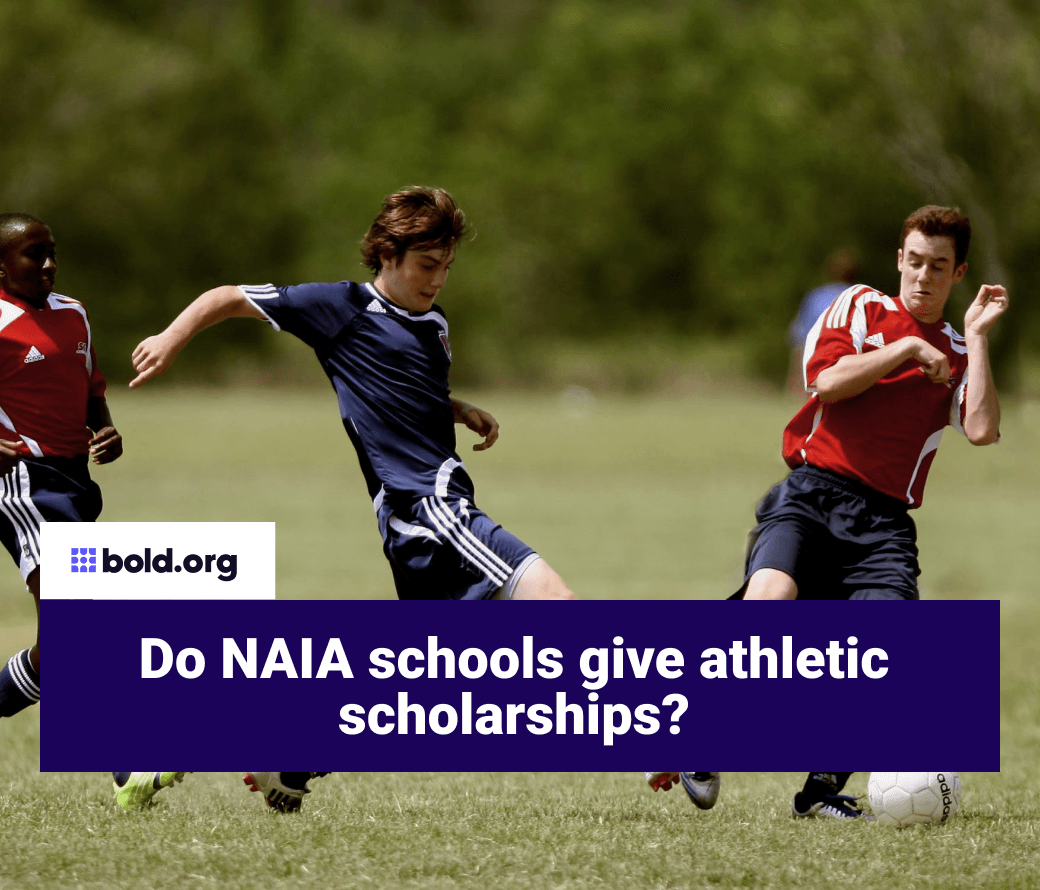
Receiving an athletic scholarship is often seen as a stepping stone to college education, but the benefits extend far beyond those four years. The opportunities presented through these scholarships can lead to a lifetime of advantages that encompass career prospects, personal development, and invaluable networking. Understanding these long-term benefits is essential for any aspiring student-athlete.Athletic scholarships not only cover tuition and fees but also present numerous opportunities for career advancement in various fields.
Many successful athletes transition into professional sports, but even for those who do not pursue athletics at a higher level, the skills learned through collegiate sports can translate into diverse career paths. The discipline, teamwork, and leadership skills honed during competitive athletics are qualities highly valued in the workplace. Employers often seek individuals who can demonstrate resilience and the ability to work collaboratively, traits that are cultivated through sports participation.
Career Opportunities from Athletic Scholarships
The potential career avenues available to recipients of athletic scholarships are vast. Graduates can leverage their athletic experience in several ways:
- Professional Sports: For some, the ultimate goal of collegiate athletics is to enter the professional leagues. Sports like basketball, football, and soccer provide pathways for athletes to sign contracts and earn a living doing what they love.
- Coaching and Sports Management: Many former athletes choose to stay within the sports realm, pursuing careers as coaches, trainers, or sports managers. These roles allow them to pass on their knowledge and passion for sports to the next generation.
- Health and Fitness Industry: The experience of maintaining peak physical condition often leads athletes to careers in personal training, physical therapy, or sports nutrition, where they can apply their firsthand knowledge of fitness and wellbeing.
- Corporate Roles: The skills acquired in athletics—such as teamwork, leadership, and time management—are attractive to a broad range of employers in sectors like business, education, and marketing.
The network and connections formed during collegiate athletics can play a crucial role in shaping the future of a student-athlete’s career. The relationships built with coaches, fellow athletes, and alumni create a support system that can help in job searches and career advancements.
Value of Networking Through Collegiate Athletics
Engagement in collegiate sports offers a unique opportunity to develop a broad network. This network can provide career guidance, mentorship, and job referrals. The alumni networks of athletic programs are often rich with successful professionals who are eager to support fellow graduates.
“The connections made while playing sports can open doors that would otherwise remain closed.”
In addition to professional networks, collegiate athletics fosters a sense of community and camaraderie. The friendships formed often last a lifetime, providing a personal support system that can be invaluable in both personal and professional spheres. The discipline and commitment required to succeed in sports can also lead to lifelong habits of networking, collaboration, and leadership—skills that are beneficial in any field.In conclusion, the long-term benefits of athletic scholarships extend far beyond the college experience itself.
From career opportunities in various sectors to valuable networking connections, the impact of these scholarships can shape the future of student-athletes in profound ways.
Final Summary

In summary, athletic scholarships USA serve as a vital support system for student-athletes striving to balance their sports careers and academic pursuits. Understanding the nuances of these scholarships, from types to eligibility and application processes, can empower athletes to make informed decisions that ultimately lead to success both on and off the field. As we’ve seen, the journey of securing an athletic scholarship involves not just talent but also strategic planning and persistence, paving the way for a brighter future in sports and education.
Q&A
What are the typical expenses covered by athletic scholarships?
Athletic scholarships can cover tuition, fees, room and board, and sometimes other expenses like books and supplies, depending on whether they are full or partial scholarships.
Do I need to maintain a certain GPA to keep my scholarship?
Yes, most athletic scholarships require student-athletes to maintain a minimum GPA as part of their eligibility criteria.
Can I receive an athletic scholarship for multiple sports?
While it’s possible, most colleges prefer athletes to focus on one sport to maximize their potential and commitment, though some may offer multi-sport opportunities.
How early should I start the scholarship application process?
It’s advisable to start the process early, ideally in your sophomore or junior year of high school, to allow ample time for preparation and securing necessary documentation.
Are there athletic scholarships for less popular sports?
Yes, many colleges offer scholarships for less popular sports, as they often have fewer applicants and competition for those scholarships can be less intense.